South Hornchurch garden maintenance for Beam Park homes
If you live in Beam Park, you already know the outside space matters almost as much as the inside. A neat lawn, controlled hedges, and borders that don't get away from you can change how a home feels day to day. South Hornchurch garden maintenance for Beam Park homes is really about keeping that balance: practical upkeep, seasonal know-how, and a garden that looks cared for without turning into a weekend chore that never ends.
In this guide, you'll find a clear breakdown of what garden maintenance involves, how it works in a local South Hornchurch setting, what benefits to expect, and where homeowners often get caught out. We'll also cover the sensible bits people sometimes skip - tools, timing, compliance, and a few realistic examples from everyday garden life. Nothing fluffy. Just useful detail you can actually use.
Table of Contents
- Why South Hornchurch garden maintenance for Beam Park homes matters
- How South Hornchurch garden maintenance for Beam Park homes works
- Key benefits and practical advantages
- Who this is for and when it makes sense
- Step-by-step guidance
- Expert tips for better results
- Common mistakes to avoid
- Tools, resources and recommendations
- Law, compliance, standards, and best practice
- Options, methods, or comparison table
- Case study or real-world example
- Practical checklist
- Conclusion
- Frequently asked questions
Why South Hornchurch garden maintenance for Beam Park homes Matters
Beam Park homes often sit in a setting where gardens are visible, used often, and expected to do a lot of jobs at once. They need to look tidy from the street, stay workable for family life, and cope with the usual UK weather swings. That means maintenance is not just about "making it pretty". It is about keeping the space healthy and manageable.
In South Hornchurch, gardens can be exposed to wind, sudden wet spells, compacted soil, and periods where growth goes wild. Leave things too long and you usually don't get one problem, you get three at once: the lawn thickens with moss, weeds move in, and hedges start blocking light or spilling into paths. To be fair, that's how a lot of good gardens become stressful gardens.
Regular maintenance helps you stay ahead of that cycle. It keeps root zones healthier, reduces damage from overgrowth, and makes the garden easier to enjoy whether you use it for quiet evenings, children's play, pets, or simple curb appeal. If your outdoor space is part of your home's first impression, then keeping it in shape is part of home care, not an optional extra.
For homeowners who want support with broader upkeep, garden maintenance services and lawn care are the most direct ways to keep things under control without constantly chasing the basics yourself.
How South Hornchurch garden maintenance for Beam Park homes Works
Good garden maintenance is usually structured rather than random. A proper visit starts with understanding the garden's condition, then prioritising what needs attention now, what can wait, and what needs a seasonal approach. That could mean lawn work, pruning, hedge shaping, weeding, edging, tidying beds, clearing waste, or checking on plant health.
In practice, the process often looks like this:
- Initial assessment: The garden is checked for overgrowth, lawn condition, drainage issues, dead planting, access problems, and any safety concerns.
- Task grouping: Jobs are grouped into immediate tidy-up work and ongoing maintenance tasks. That saves time and avoids repeated effort.
- Seasonal priority setting: Spring growth, summer mowing, autumn leaf clearance, and winter protection all demand different actions.
- Execution: The work is carried out using the right tools and methods for the space, not a one-size-fits-all approach.
- Aftercare advice: You may be told what to monitor next, especially if the garden has drainage concerns, weak turf, or plants that need protecting from weather exposure.
The detail matters. A lawn cut too short in dry conditions can struggle. A hedge trimmed at the wrong time can look ragged or lose shape. And beds that are cleared too aggressively can leave soil exposed and invite weeds straight back in. Small decisions, big difference.
If your garden has a lot of vertical growth or privacy planting, it may be sensible to combine regular upkeep with hedge trimming in South Hornchurch. For newer planting schemes, useful ideas can also come from ground covers for UK garden makeovers and swiftly growing hedges for seclusion.
Key Benefits and Practical Advantages
There are the obvious benefits - a cleaner, better-looking garden - and then there are the quieter ones that matter just as much.
- Less stress: Regular care stops the garden becoming an overwhelming job list.
- Healthier plants: Proper pruning, feeding, and weed control reduce competition and disease pressure.
- Better use of space: A tidy garden is easier to sit in, walk through, and enjoy with family or pets.
- Improved safety: Clear paths, reduced trip hazards, and stable planting beds matter more than people think.
- Stronger curb appeal: Front gardens and visible side spaces create a better first impression.
- Long-term cost control: Maintenance is often cheaper than major recovery work after neglect.
There is also a practical lifestyle benefit. People in Beam Park often want gardens that look good without demanding constant attention. That's where planned maintenance wins. You can keep a neat, modern outdoor space even if you're not the type to spend every Sunday morning out there with shears and a determined expression.
For spaces with hard landscaping, combining upkeep with patio cleaning or decking services can make the whole garden feel more polished, not just the planting.
Who This Is For and When It Makes Sense
This type of maintenance is a strong fit for a few common Beam Park homeowner profiles.
- Busy households: If work, commuting, or family schedules mean the garden gets pushed back, regular help keeps it from slipping.
- New movers: If you've just moved into Beam Park and the outside space isn't quite under control yet, a maintenance reset can make a big difference.
- Landlords and rental property owners: A maintained garden supports presentation and reduces the chance of complaints or avoidable wear.
- Families with children or pets: Safe, clear, and usable spaces matter when the garden gets proper daily use.
- Homeowners preparing to sell: A well-kept garden can improve the way a property is perceived without needing a full redesign.
It also makes sense when you keep thinking, "I'll do it next weekend," and then next weekend arrives with rain, football, errands, and the general chaos of life. Been there. Everyone has.
If your garden has become overgrown or tired, a phased tidy-up can be a smart starting point. Reviving a neglected garden is usually easier when you stop trying to fix everything in one go.
Step-by-Step Guidance
If you want a sensible maintenance routine, start with structure. The best gardens are not necessarily the fanciest ones. They're the ones that get looked after consistently.
1. Walk the garden with a clear eye
Look for overgrown edges, bare patches, weeds in paving, low branches, soggy spots, and signs that plants are struggling. Morning light is useful here because problem areas are easier to spot when the garden is still cool and calm.
2. Separate essential work from cosmetic work
Cutting the grass and removing weeds is essential. Rearranging pots is cosmetic. Both matter, but not in the same order. A lot of frustration comes from starting with the fun stuff and leaving the foundations alone.
3. Handle the lawn properly
Mow at the correct height for the season, avoid cutting too much at once, and clear clippings when needed. If the lawn is thin or patchy, maintenance may need to include feeding, aeration, or scarifying. For dedicated turf support, lawn mowing and lawn care are usually the core services to ask about.
4. Shape growth before it gets unruly
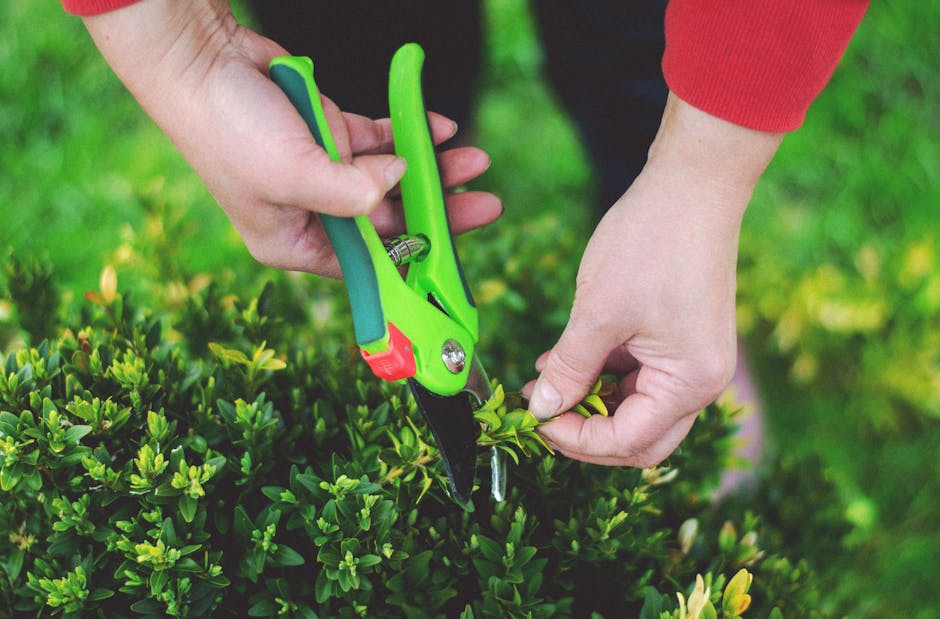
Hedges, shrubs, and climbers should be guided before they become a problem. Light, regular shaping is usually kinder to the plant than dramatic cuts after months of neglect. If privacy is a priority, a tidy hedge line can make the whole place feel more settled.
5. Deal with weeds and debris consistently
Weeds are much easier when tackled early. The same goes for leaf litter, fallen twigs, and shaded damp build-up. If you leave them, they become the background noise of the garden and then, suddenly, the main event.
6. Finish with a reset
Edge borders, sweep hard surfaces, check bins or storage, and clear away waste. A garden often looks 30% better just from the final tidy. There's a reason neat edges feel so satisfying.
For people wanting more than simple upkeep, broader gardening services can support planting changes, reshaping, and longer-term improvements.
Expert Tips for Better Results
These are the practical habits that make maintenance easier and more effective over time.
- Keep to a seasonal rhythm: Don't treat every month the same. Growth patterns shift, and the garden will tell you when it's changing.
- Stay ahead of hedges: Small trims are cleaner and safer than heavy cutting after long gaps. If in doubt, use professional hedge trimming.
- Use ground cover in awkward areas: Bare soil and tricky corners often become weed magnets. Low-maintenance planting can reduce the churn.
- Protect vulnerable plants before cold snaps: Winter is less about panic and more about preparing properly.
- Match maintenance to garden use: A garden used by children, pets, or frequent guests needs a different routine from a decorative quiet space.
A small but useful tip: don't ignore the "nearly fine" things. A hedge that's a bit too high, or a bed that's a bit too weedy, is exactly where maintenance problems like to breed. Nasty little time sinks, those.
For windy or exposed spots, useful guidance from wind defence tactics and stormy-condition garden care can help you reduce damage before it starts. And if dark corners are a problem, evergreen climbers for dark spaces can be a smart way to keep structure and interest in shade.
Common Mistakes to Avoid
Most garden problems in Beam Park homes do not start as disasters. They start as small habits. Here are the usual culprits.
- Cutting grass too short: This weakens the lawn, especially in warm or dry periods.
- Ignoring hedges until they block light: By then, trimming is more disruptive and takes longer.
- Leaving weeds to seed: One missed round can turn into a long season of extra work.
- Using the wrong tool for the job: A blunt hedge trimmer or tired mower does poor work and can damage plants.
- Overwatering by habit: UK gardens often need observation, not constant watering.
- Forgetting waste clearance: Cuttings left in piles create damp patches and make the space look unfinished.
One mistake that's easy to make is assuming a garden "just needs a quick tidy." Sometimes it does. Other times it needs a reset. There's no shame in that. In fact, knowing the difference saves money and frustration.
Tools, Resources and Recommendations
You do not need every gadget under the sun. A reliable small toolkit usually beats a shed full of half-working kit. The essentials are straightforward:
- a sharp mower suitable for your lawn size
- hedge trimmers or pruning tools
- a sturdy rake and broom
- gloves with decent grip
- loppers or secateurs for detailed cuts
- bags or containers for green waste
- basic feed or soil improver where appropriate
If you are building from scratch or want to work more efficiently, this guide to vital garden tools is a useful starting point. For low-effort improvements, budget garden hacks can help you get visible results without overcomplicating things.
For people who want the garden to support everyday living, not just look neat, container planting and compact design can make a real difference. Container gardening for busy urbanites is a good reference if you want flexibility rather than a high-maintenance planting scheme.
| Task | Useful approach | Why it helps |
|---|---|---|
| Lawn upkeep | Regular cutting, edging, occasional feeding | Prevents the lawn looking tired or uneven |
| Hedge control | Light, frequent trimming | Keeps shape and avoids heavy corrective cuts |
| Border care | Weeding, mulching, replanting bare spots | Improves health and reduces weed pressure |
| Hard surfaces | Brushing, washing, periodic cleaning | Keeps patios and paths safe and presentable |
Law, Compliance, Standards, and Best Practice
For most homeowners, garden maintenance is not a heavily regulated activity in itself, but there are still sensible standards and responsibilities to keep in mind. Safety, neighbour relations, waste handling, and plant care all matter.
If work involves ladders, power tools, tree work, or substantial hedge cutting, good practice is to use proper methods and suitable protective equipment. That's not overkill. It's common sense, especially in compact residential settings where paths, fences, and parked cars are close by.
Green waste should be handled responsibly, and if you use a professional service, it's reasonable to ask how waste is removed or managed. If a task moves beyond routine maintenance into tree work or significant structural pruning, it may be more appropriate to consider tree surgery rather than treating it like a normal tidy-up.
It is also worth checking a provider's public information on matters such as health and safety policy, insurance and safety, terms and conditions, payment and security, and privacy policy. That's not red tape for the sake of it; it's basic trust-building.
If you ever feel unsure about access, shared boundaries, or a neighbour-facing job, talk it through before work starts. A little communication saves a lot of awkwardness later. Garden work is rarely just garden work when fencing lines and shared sightlines are involved.
Options, Methods, or Comparison Table
There are a few ways to approach garden maintenance in Beam Park. The right one depends on your time, budget, and how complex the garden is.
| Approach | Best for | Pros | Trade-offs |
|---|---|---|---|
| DIY upkeep | Small, simple gardens and confident owners | Flexible, low direct cost, hands-on control | Time-consuming, easy to fall behind, equipment costs |
| Occasional tidy-up | Gardens that need periodic resets | Good for catch-up work and seasonal refreshes | Can still leave gaps between visits |
| Regular maintenance | Busy households and visible gardens | Consistent appearance, less stress, healthier growth | Ongoing budget commitment |
| Maintenance plus improvements | Gardens that need both care and redesign | Helps with layout, usability, and long-term value | Requires clearer planning and often a bigger scope |
If a garden needs more than routine care, broader landscaping or fencing may also be worth discussing, especially where the existing layout is making maintenance harder than it should be. A tricky garden can become much easier once one or two structural issues are sorted.
Case Study or Real-World Example
Here's a realistic Beam Park-style scenario. A homeowner has a small rear garden that looked fine in spring but drifted badly by late summer. The lawn had gone uneven, the hedge was shading a corner of the patio, and weeds had started to work through the borders. Nothing dramatic. Just enough to make the space feel tired every time the back door opened.
The first visit focused on basics: lawn cut, edging, hedge reduction, weed clearing, and a full sweep of hard surfaces. The next step was more measured - identifying a damp, shaded patch where grass struggled and replacing the bare area with lower-maintenance planting. A few months later, the garden was easier to use, easier to keep tidy, and no longer looked like it was always one step behind.
That is the pattern you see a lot, truth be told. Once the maintenance routine matches how the garden actually behaves, things calm down. The work becomes lighter. The space starts doing its job again. And that little sigh of relief when you open the back door? That matters more than people admit.
For a smaller, more design-led garden, adding structure through vertical gardening, zen-style planting ideas, or even child-friendly planning from this backyard guide can make maintenance simpler as well as more enjoyable.
Practical Checklist
Use this as a quick seasonal check before the garden starts slipping.
- Grass cut to a healthy height, not scalped
- Edges trimmed and borders defined
- Weeds removed before they seed
- Hedges shaped and not blocking light or access
- Paths, patios, and decking cleared of debris
- Dead or damaged growth removed
- Plants checked for storm, frost, or wind damage
- Waste collected and disposed of properly
- Drainage and damp patches monitored
- Tools cleaned, sharpened, and stored properly
If pets use the garden, it can also help to review planting choices and walking routes. A practical guide like harmonising nature and pooch in your garden is worth a look when you want safety and usability to work together.
Expert summary: the best maintenance is steady, realistic, and tailored to how your Beam Park home actually uses the garden. Do the basics well, keep the timing sensible, and the whole space becomes easier to live with. Simple, but not always easy.
Get a free quote today and see how much you can save.
If you're ready to stop battling the garden and start enjoying it again, the next sensible step is a straightforward conversation about what your space needs now and what can be planned over time. A good garden should feel calm, not like another job waiting to happen.
Conclusion
South Hornchurch garden maintenance for Beam Park homes is about more than keeping things neat. It's about protecting the space you live with every day, making it easier to manage, and preventing small issues from becoming expensive or time-draining problems. When the basics are handled consistently, the garden feels lighter, healthier, and far more usable.
Whether your outdoor area is a compact family space, a front garden that shapes first impressions, or a back garden that should be a quiet escape after a long day, regular maintenance helps it earn its keep. And really, that's the point. A garden should give something back.
A well-kept outdoor space has a way of making home feel settled. That's worth looking after.
Frequently Asked Questions
What does garden maintenance usually include for Beam Park homes?
It usually includes lawn mowing, edging, weeding, hedge trimming, pruning, border tidying, leaf clearance, and general clean-up. Some gardens also need patio or decking care, depending on how the outdoor space is used.
How often should a garden in South Hornchurch be maintained?
That depends on the size of the garden, the season, and how fast things grow. Many homes benefit from regular visits during the growing season, then lighter maintenance in colder months. A fast-growing garden can need attention more often than you'd expect.
Is it worth getting professional help instead of doing it myself?
If you enjoy the work and have the time, DIY can work well for smaller gardens. Professional help makes more sense when the garden is getting away from you, the hedges are tall, or the lawn and borders need a proper reset.
What's the difference between garden maintenance and landscaping?
Garden maintenance keeps an existing garden healthy and tidy. Landscaping usually involves changing the layout, structure, surfaces, or planting scheme. The two often work together, but they are not the same job.
Can garden maintenance help improve privacy?
Yes. Well-managed hedges, screening planting, and tidy boundary planting can improve privacy without making the space feel cramped. If privacy is a priority, hedge management is often one of the first things to address.
How do I know if my hedge needs trimming or a more serious cut?
If it has just started to spread or lose shape, a light trim is usually enough. If it's blocking paths, light, or access, it may need a more involved reduction. In those cases, it's better to assess carefully before cutting.
What should I do with garden waste after maintenance?
Green waste should be collected and removed or composted responsibly. Leaving cuttings in piles can invite rot, pests, and damp patches. Clear waste also makes the garden look finished, which matters more than people think.
Are patio and decking cleaning part of maintenance?
They can be, especially if the garden is used regularly. Clean hard surfaces improve safety, reduce slippery build-up, and make the whole outdoor area look fresher. It's a small thing with a big visual effect.
What should I ask before booking a garden maintenance service?
Ask what is included, how often visits are recommended, how waste is handled, and whether the team is insured. It's also sensible to ask about payment, safety, and what happens if the weather changes the planned work.
How much preparation do I need to do before a maintenance visit?
Usually not much. Clear access, move delicate items if you can, and mention any problem areas or priorities. A quick note about what worries you most - the lawn, weeds, hedges, or something else - helps the work stay focused.
Can garden maintenance improve property presentation?
Absolutely. A well-kept garden improves first impressions, makes a home feel more cared for, and can help buyers or visitors focus on the strengths of the property. You don't need a show garden. You just need a garden that feels looked after.
Where can I learn more or get help with my garden?
If you want to discuss your garden directly, the best next step is to get in touch here. For company details and background, you can also review about us and the available pricing and quotes information.