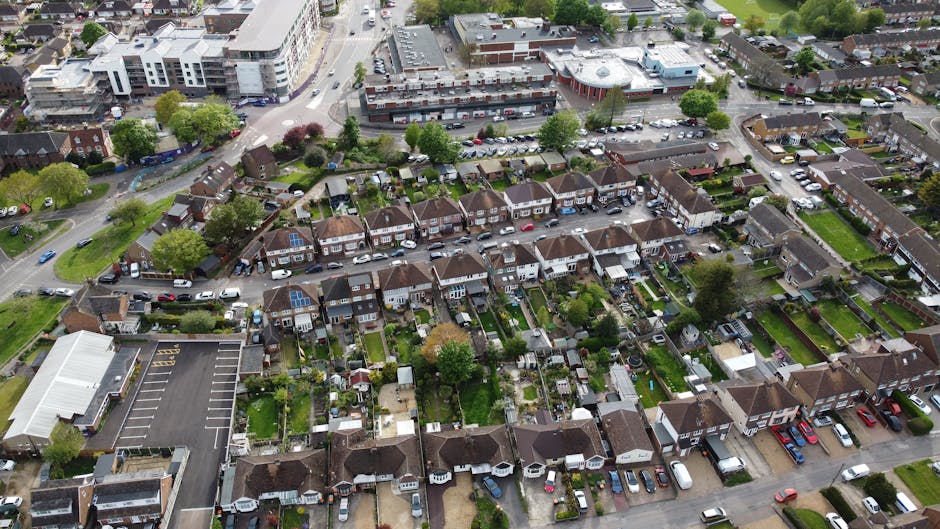
Garden services for South Hornchurch estate homes
If you live in one of the estate homes around South Hornchurch, you already know the garden can be both a selling point and a bit of a headache. Neat lawns, tidy hedges, usable patios, and healthy planting all make a property feel cared for - but they also need regular attention. That is where Garden services for South Hornchurch estate homes make a real difference. Done properly, they help keep outdoor spaces looking smart through wet winters, dry spells, windy days, and the usual family life that happens in between.
This guide breaks down what these services include, how they work, who benefits most, and what to look for if you want the job done well. It also covers common mistakes, practical checklists, and the sort of detail that helps you avoid paying twice for the same problem. Let's face it, nobody wants to spend a Saturday wrestling with ivy, moss, or a mower that sounds like it's had enough.
Why Garden services for South Hornchurch estate homes Matters
Estate homes tend to have outdoor areas that are visible, functional, and often shared by daily routines rather than treated as decorative extras. A front lawn with patchy grass or a back garden with overgrown borders can change how the whole property feels. It is not just about looks, either. Slippery patios, blocked paths, unmanaged hedges, and tired planting can quickly become practical nuisances.
In South Hornchurch, gardens also have to cope with typical UK conditions: damp periods, sudden wind, seasonal leaf fall, and clay-heavy or compacted soil in some spots. You may get a nice stretch of weather in spring, then a week later everything looks a little battered. That is exactly why routine garden maintenance is so valuable. It keeps the work ahead of you from snowballing.
For estate homes, the garden often does a lot of heavy lifting. It frames the property, supports family use, and can even affect how welcoming the home feels when visitors arrive. A well-kept hedge and a clean patio may sound simple, but they give a strong first impression. And if you are planning to sell or let a home, the garden is one of those details people notice immediately, even if they do not say it out loud.
There is also the day-to-day comfort factor. A garden that is regularly maintained is easier to enjoy, easier to clean, and far less stressful to manage. That matters more than people admit.
How Garden services for South Hornchurch estate homes Works
Most garden service arrangements start with a practical review of the space. The gardener or landscaping team will look at the lawn, shrubs, hedges, trees, paths, borders, patios, fencing, and any areas causing concern. From there, they decide whether the garden needs one-off clearance, ongoing maintenance, or a more involved improvement plan.
In everyday terms, the process usually looks something like this:
- Initial assessment: The garden is inspected for size, condition, access, and obvious issues like weeds, moss, overgrowth, or damage.
- Priority setting: The main problems are identified first. A neglected lawn is handled differently from a hedge that simply needs trimming.
- Work plan: Tasks are grouped into sensible stages. For example, clearance before cutting, pruning before shaping, and patio cleaning after debris removal.
- Service delivery: The work is carried out using suitable tools and safe methods.
- Waste handling and finish: Green waste is collected, edges are tidied, surfaces are checked, and the result is neatened properly.
This is where professional judgement matters. A good gardener does not just cut everything down and hope for the best. They notice how the garden grows, where water sits after rain, which areas are shaded, and which plants are struggling. That kind of detail can save you months of frustration later.
If you are exploring a broader package rather than a one-off visit, it helps to look at the full range of gardening services and see how they fit together. The right mix often includes lawn care, hedge work, and patio cleaning rather than a single task in isolation.
For some homes, the first step is restoring order after a period of neglect. If that sounds familiar, the piece on reviving a neglected garden is a useful companion read. It gives a sense of how a garden can move from overwhelming to manageable without trying to do everything in one day. Thank goodness for that, honestly.
Key Benefits and Practical Advantages
The most obvious benefit is visual. A tidy estate garden lifts the whole property. But the useful gains go much further than appearance. Regular care keeps problems small, predictable, and cheaper to deal with. Neglected gardens tend to throw up surprises; maintained gardens tend to behave themselves.
- Better kerb appeal: Neat lawns, clean edges, and well-shaped hedges make homes look cared for.
- Safer outdoor spaces: Fewer slippery patches, fewer trip hazards, and clearer access routes.
- Healthier plants: Pruning, feeding, and seasonal care improve resilience.
- Reduced workload: Regular visits prevent jobs from piling up into a weekend-eating monster.
- More usable space: Patios, seating areas, and borders become places you can actually enjoy.
- Better long-term value: A well-managed garden supports the overall feel of the home.
There is also a quieter benefit that people often notice only after the work is done: the garden becomes easier to live with. You step outside and everything feels calmer. The air smells fresher after a tidy cut, the lawn looks more even, and the boundaries of the space make sense again. Small thing, maybe. But it changes the mood.
For families, there is a practical side too. Children need room to play, pets need safe surfaces, and adults usually want a space that does not become a second full-time job. If that sounds familiar, you may also find ideas for a child-friendly garden helpful when planning the layout.
Another strong advantage is resilience. South Hornchurch weather can be a bit bossy at times. A garden that is trimmed, secured, and properly planted tends to handle wind and rain better than one left to its own devices. If storms are a concern, have a look at practical storm preparation for gardens. It fits this topic neatly.
Who This Is For and When It Makes Sense
These services are not only for people with sprawling gardens or high-end landscaping. They are just as useful for modest estate plots, compact lawns, and back gardens that need routine care. In fact, smaller gardens can look untidy surprisingly quickly if borders, grass, and hard surfaces are not looked after together.
You will probably benefit most if you are:
- a homeowner who wants the garden to stay presentable without constant weekend work
- a busy family trying to keep outdoor space safe and usable
- an older resident who wants help with physically demanding tasks
- a landlord or property manager looking after curb appeal
- someone returning a neglected space to order
- a homeowner preparing to sell, let, or renovate
It also makes sense when your garden starts showing signs that you are always catching up rather than staying ahead. The grass gets cut late, the hedges are awkward, and weeds seem to have a standing invitation. Been there? Most people have, to be fair.
If privacy matters - and for many estate homes it does - hedge management can be one of the smartest investments. Fast-growing hedges can make a garden feel enclosed in a good way, not a cramped way. For more on that, see seclusion ideas with fast-growing hedges and professional hedge trimming in South Hornchurch.
For homeowners who only need a tidy-up every now and then, a one-off clean-up may be enough. For others, seasonal maintenance or monthly visits are the better fit. The key is matching the service to how the garden actually lives, not how you wish it behaved.
Step-by-Step Guidance
If you are planning garden services for an estate home, here is a sensible way to approach it. No drama, no guesswork.
- Walk the garden at ground level. Look at what you use most: paths, lawns, seating areas, borders, sheds, gates, and boundaries.
- Mark urgent problems. These might be unsafe paving, overgrown hedges, dead patches, drainage trouble, or broken fencing.
- Separate essential work from optional work. A basic tidy-up is different from a redesign. Keep those aims distinct.
- Decide on frequency. Some gardens need weekly or fortnightly care, while others only need seasonal attention.
- Choose the right service mix. You might need lawn care, hedge work, patio cleaning, or tree surgery rather than a general tidy alone.
- Schedule work seasonally. Spring is for renewal, summer for control, autumn for clearing, and winter for protection.
- Review the result after the first visit. Check whether the garden feels easier to maintain. If not, adjust the plan.
A useful trick is to think in zones. Front garden, side access, back lawn, seating space, and boundary planting each have different needs. If the same method is used everywhere, something usually gets missed. A lawn can be perfect while the side return is turning into a damp little jungle. Not ideal.
For hard landscaping or tired outdoor features, you may want to combine upkeep with improvements. The service pages for landscaping support, patio cleaning, and decking services are relevant if you are thinking beyond basic maintenance.
Expert Tips for Better Results
A few small decisions can improve the outcome a lot. In our experience, gardens respond best when you work with the space rather than trying to force it into a shape it does not want.
- Trim hedges before they become a problem. Regular shaping is easier than aggressive cutting later.
- Keep lawn edges sharp. Crisp edges make even a simple garden look intentional.
- Clear leaves early. Wet leaves on paving, decking, and lawns are trouble waiting to happen.
- Use ground cover in awkward areas. Bare soil invites weeds and looks unfinished. See ground covers for UK garden makeovers for practical ideas.
- Protect shaded borders. Dark or damp areas often need different planting choices.
- Plan for winter before winter arrives. A little preparation now avoids a lot of damage later.
If you have a garden that tends to feel dull or lifeless in darker spots, you do not need a full rebuild. Evergreen climbers, layered planting, and careful pruning can make a big difference. You can read more in evergreen climbers for dark spaces.
And if you are aiming for a garden that feels calmer and less cluttered, simple structure helps. Repetition in planting, clean boundaries, and one or two focal points usually work better than ten competing ideas all shouting at once. A bit of restraint goes a long way.
One more thing: do not underestimate the value of good tools. A sharp blade, clean mower, reliable shears, and decent gloves can change the quality of the finish. There is a reason experienced gardeners are slightly obsessive about their kit. See essential tools for outdoor work for a solid overview.
Common Mistakes to Avoid
Most garden problems are not caused by one big disaster. They build slowly through small habits. Here are the ones that come up most often.
- Cutting too much at once: Heavy pruning can stress hedges and shrubs.
- Ignoring drainage: If water sits in one area, plants and paving both suffer.
- Leaving weeds until they seed: That turns a small task into a larger seasonal headache.
- Using the wrong service for the job: Lawn care is not the same as hedge trimming, and tree work is a specialist matter.
- Skipping seasonal maintenance: Gardens do not wait politely while you get around to them.
- Overlooking safety: Slippery patios, loose fencing, and unstable branches all deserve attention.
A common one in estate homes is treating the whole garden as a single patch. It sounds efficient, but it usually leads to uneven results. The lawn gets attention while borders are forgotten. Or the patio is cleaned but the overgrown edge beside it remains messy. Tiny imbalance, but it shows.
Another mistake is assuming all garden work is cosmetic. Not true. Some jobs are clearly about plant health, access, or safety. If tree branches are in poor condition, that is not the time to improvise. Specialist help matters. More on that in the tree surgery service.
Weeds are another predictable trap. They look harmless until they are not. A short read on practical weed control can save a lot of time later.
Tools, Resources and Recommendations
You do not need a shed full of fancy gear to maintain a good estate garden, but the right basics matter. Good tools make work quicker, safer, and more consistent. They also reduce the temptation to "make do" with something blunt or too small, which always ends in regret.
Useful equipment and resources often include:
- a reliable mower for regular lawn maintenance
- shears or hedge trimmers for shaping and reduction
- gloves, goggles, and sturdy footwear for protection
- rakes and leaf collectors for seasonal clearing
- edging tools for crisp borders
- pressure or patio-cleaning equipment for hard surfaces
If you are trying to keep a garden going with minimal fuss, some smart design choices help too. Container planting can ease maintenance in tight or awkward areas, and it is especially useful where access is limited. See container gardening for busy homeowners for a useful angle on that.
For families, thoughtful plant selection matters just as much as the kit. If you want scent, texture, and seasonal variety without creating extra maintenance, herbs and compact perennials can be a very sensible route. The article on year-round herb growing is worth a look.
There is also a sustainability side worth considering. Composting green waste, avoiding unnecessary chemical use, and choosing resilient planting can all reduce waste and long-term effort. If that matters to you, organic waste and soil improvement is a helpful read, as is gardening with a lighter footprint.
Law, Compliance, Standards, or Best Practice
Garden work in a residential setting is usually straightforward, but there are still sensible standards to follow. Good providers should work safely, handle waste responsibly, and avoid unnecessary risk to people, property, and planting. You do not need a lecture. You just need the job done properly.
For example, cutting back trees or large limbs should be treated as a specialist task where appropriate, especially if the work involves height, unstable wood, or power tools. Safety procedures matter. So do proper assessments before work begins. The same goes for slippery surfaces, uneven paving, and access routes near family areas or shared spaces.
Many homeowners also prefer reassurance around insurance, safety, and service terms. That is reasonable. If you want to understand how a provider approaches these issues, you can review the site's insurance and safety information, health and safety policy, and terms and conditions. For payment reassurance, there is also payment and security guidance.
If you ever need to raise a concern, look for a clear complaints route. Professional services should make this easy enough to understand without making you hunt for it. That kind of transparency is part of trust, plain and simple.
Options, Methods, or Comparison Table
There are a few ways to approach garden care for estate homes, and the right one depends on time, budget, and the condition of the space. Here is a simple comparison to make the decision easier.
| Approach | Best for | Typical strengths | Possible drawbacks |
|---|---|---|---|
| One-off tidy-up | Overgrown or neglected gardens | Fast reset, clears visible problems quickly | Condition can slide again if not followed up |
| Regular maintenance | Busy households and well-used gardens | Keeps standards consistent, easier to budget around | Needs scheduling and commitment |
| Seasonal service plan | Gardens that change heavily through the year | Matches work to weather and growth cycles | May miss fast-growing issues between visits |
| Combined maintenance and landscaping | Homes needing both care and improvement | Better long-term structure, more usable space | Usually more involved and not always immediate |
If you are unsure which route suits your home, it often helps to start with maintenance and then add targeted upgrades. That might mean lawn care, hedge trimming, or a small landscaping fix rather than a full redesign. There is no prize for doing the most.
For deeper lawn support, the dedicated lawn care service and lawn mowing service are useful distinctions to understand. They solve different problems, even though people often bundle them together in conversation.
Case Study or Real-World Example
Picture a typical South Hornchurch estate home with a modest front lawn, a narrow side return, and a back garden that had slowly slipped from tidy to tiring. Nothing dramatic. Just the usual mix of leaf build-up, weedy edges, a hedge that had grown a bit too confident, and a patio that had lost its colour under grime and weather marks.
The first visit focused on clearing the obvious mess: cutting back dead growth, removing weeds, tidying the borders, and shaping the hedge so the garden felt open again. The second stage was more practical: mowing, edging, patio cleaning, and checking that access routes were clear. After that, the garden was easier to use straight away - not perfect, but properly manageable. And that is often the sweet spot.
A few weeks later, the homeowner could keep on top of things with much less effort. The lawn was easier to cut, the patio no longer felt slippery, and the hedges looked intentional instead of unruly. The garden still needed work, of course. Gardens always do. But it no longer felt like a battle every time someone opened the back door.
That kind of transformation is also where small design ideas start to matter. A few shaded corners were improved with better planting, and a simple seating area made the space feel more lived-in. The article on creating better garden seating is a smart reference point if you want comfort as well as neatness.
For homeowners wanting more structure, screening, or privacy, the right planting and boundary work can make the garden feel calmer almost immediately. The space starts to breathe a bit. You notice the birds again. Sounds a little poetic, maybe, but it is true.
Practical Checklist
Use this checklist before booking or arranging any garden work for an estate home.
- Check which areas need the most urgent attention.
- Decide whether you need a one-off clean-up or ongoing care.
- Separate lawn, hedge, tree, patio, fencing, and landscaping needs.
- Ask how waste will be handled and cleared away.
- Make sure access points, gates, and side paths are easy to reach.
- Note any pets, children, fragile plants, or awkward surfaces in advance.
- Review safety, insurance, and service terms if relevant.
- Consider seasonal timing before booking heavy pruning or major work.
- Think about privacy, shade, drainage, and usage patterns, not just appearance.
- Plan a follow-up schedule so the garden does not slide back.
Quick takeaway: the best results usually come from a mix of regular maintenance, sensible seasonal timing, and targeted improvements rather than one big all-or-nothing overhaul.
If you are ready to get your outdoor space back under control, the next sensible move is to compare the type of work you need with the right service mix and ask for a tailored quote. A short conversation can save a lot of guesswork later.
Get a free quote today and see how much you can save.
Conclusion
Garden services for South Hornchurch estate homes are about more than keeping things neat. They make outdoor spaces easier to live with, safer to use, and more pleasant to look at through every season. For many households, that means less stress and more time actually enjoying the garden rather than endlessly catching up with it.
Whether you need lawn care, hedge trimming, patio cleaning, a fresh round of maintenance, or a bigger reset, the best approach is the one that fits how your home is used day to day. Start with the parts that matter most, build a sensible plan, and keep it realistic. That is how good gardens stay good.
And once the work is done, there is a quiet satisfaction in stepping outside and seeing order, colour, and a bit of breathing room again. Simple, really. But lovely.
Frequently Asked Questions
What do garden services for South Hornchurch estate homes usually include?
They often include lawn mowing, hedge trimming, border tidying, weed control, patio cleaning, pruning, and general garden maintenance. Some properties also need tree work, fencing repairs, or landscaping support.
How often should an estate home garden be maintained?
It depends on the size, planting, and how much the space is used. Many gardens benefit from regular visits during the growing season, with lighter seasonal work at other times. Fast-growing hedges and lawns usually need more frequent attention.
Is a one-off garden tidy enough for a neglected garden?
Sometimes yes, but not always. A one-off tidy can restore order quickly, though badly overgrown spaces often need a follow-up plan to stay manageable. If the garden has been ignored for a while, staged work tends to work better.
What is the difference between lawn care and lawn mowing?
Lawn mowing is the cutting of the grass. Lawn care is broader and may include feeding, aeration, weed control, scarifying, and improving the health of the grass over time. Both can matter, but they solve different problems.
Can garden services help improve privacy around a home?
Yes. Hedge trimming, boundary planting, and smart screening can make a garden feel more secluded. In some cases, the right planting choices can create privacy without making the space feel closed in.
Do I need specialist help for tree work?
If a tree is large, damaged, awkwardly positioned, or needs more than simple pruning, specialist help is usually the safer choice. Tree work can involve height, tools, and risk that should not be underestimated.
What should I do before a gardener visits?
Clear access where you can, point out priority areas, mention pets or children, and decide what you want finished first. A quick walkthrough at the start saves time and helps the work go smoothly.
How do I know whether landscaping is worth it or if maintenance is enough?
If the garden mainly needs tidying, maintenance may be enough. If the layout is awkward, paving is tired, or the space does not function well, landscaping can add real value. Often the answer is a mix of both.
Are patio cleaning and garden maintenance the same thing?
No. Garden maintenance covers living areas like grass, shrubs, and borders. Patio cleaning focuses on hard surfaces such as paving or decking, which need different methods and equipment.
How can I keep costs under control without neglecting the garden?
Start with the most visible and practical jobs first, then build a regular plan for the rest. Small, consistent maintenance is usually more cost-effective than allowing the whole garden to deteriorate and then paying for a major reset.
What if my garden has both shady corners and windy spots?
That is common enough in estate homes. Shady areas may need different planting and moisture management, while exposed areas may need tougher shrubs or structural support. A tailored approach matters much more than a one-size-fits-all fix.
Where can I learn more about the company behind these services?
You can read the about us page for a sense of the team's approach, and the pricing and quotes information if you are comparing options. If you are ready to talk through your garden, the contact page is the place to start.